

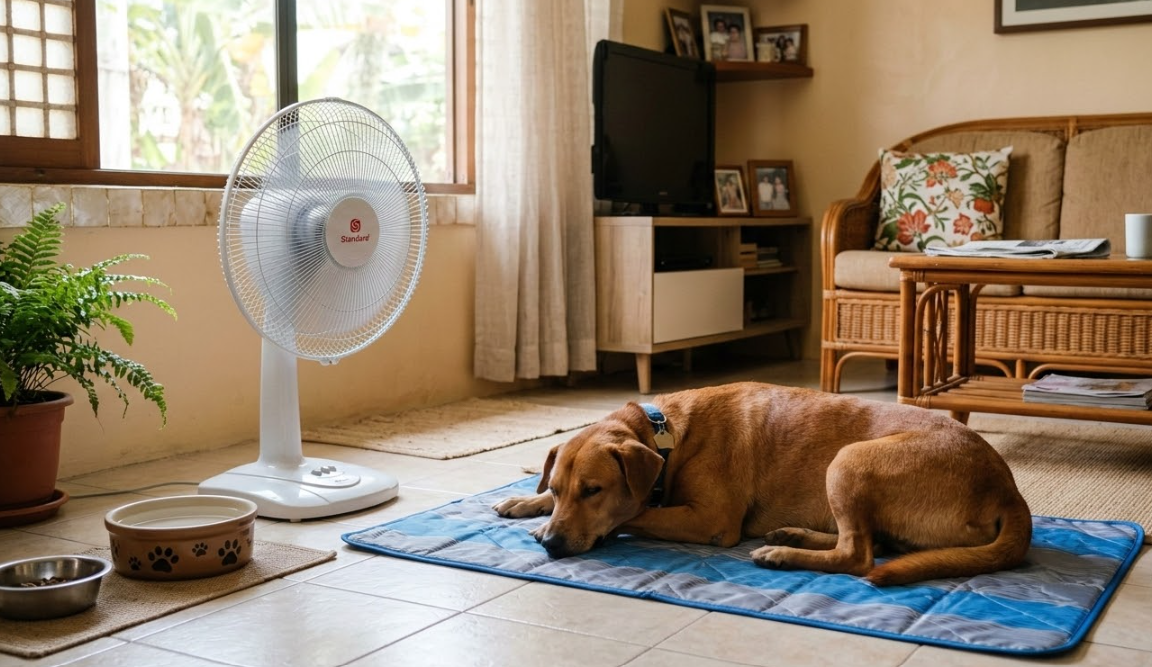
The Philippine summer can be intense—not just for people, but especially for our pets. From March to May, temperatures often soar, and the init ng tag-init can turn homes, streets, and backyards into dangerously hot environments for dogs and cats.
Many Filipino fur parents love their pets deeply but sometimes underestimate how quickly animals can overheat. A dog left outside under the sun, a cat stuck in a poorly ventilated room, or even a short midday walk can expose pets to dangerous heat levels.
Unfortunately, pet heatstroke Philippines cases increase during the summer months, and many pet owners only realize something is wrong when their alaga is already in distress.
Unlike humans, dogs and cats cannot sweat efficiently to cool themselves down. Dogs mostly rely on panting, while cats depend on grooming and limited sweat glands. This makes them far more vulnerable to extreme temperatures.
In this guide, we’ll explore the warning signs of heatstroke, emergency steps you can take, and practical dog heat safety tips and cat heat safety tips to protect your pets. If you’re a Filipino pet owner, understanding tropical pet care can help keep your furry companions safe during the hottest months of the year.
Signs of Heatstroke in Dogs and Cats
Heatstroke is a life-threatening emergency that happens when a pet’s body temperature rises to dangerous levels. Recognizing the early warning signs can make the difference between life and death.
Early Symptoms
Some of the first signs of heatstroke in dogs Philippines and cats include:
-
Heavy panting
-
Excessive drooling
-
Rapid heartbeat
-
Lethargy or weakness
-
Restlessness
Dogs may start looking for shade or lying flat on cool surfaces. Cats, on the other hand, may become unusually quiet or hide.
Severe Symptoms
If heatstroke progresses, more serious symptoms may appear:
-
Vomiting
-
Diarrhea
-
Collapse or inability to stand
-
Confusion or disorientation
-
Seizures
-
Extremely high body temperature
Because pets cannot regulate their body temperature the same way humans do, their condition can deteriorate very quickly.
Imagine a playful bantay sa bahay dog running around the yard during a hot afternoon. After a few minutes, the dog starts panting heavily and becomes weak. Many pet owners assume the dog is simply tired, but this could already be a sign of pet heatstroke Philippines cases commonly seen during summer.
Recognizing these symptoms early allows pet owners to act quickly and potentially save their pet’s life.
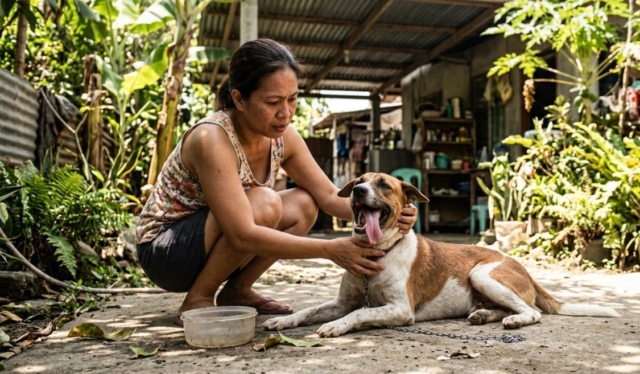
Emergency First Aid for Pets With Heatstroke
If you suspect your dog or cat is suffering from heatstroke, immediate action is critical. Heatstroke is a medical emergency and should always be treated seriously.
Here are the first steps every Filipino fur parent should know.
1. Move Your Pet to a Cooler Area
Bring your pet indoors or into the shade immediately. If possible, place them in a well-ventilated room with a fan or air conditioning.
2. Offer Small Amounts of Cool Water
Allow your pet to drink small amounts of cool water, but do not force them to drink.
3. Cool the Body Gradually
Use cool (not ice-cold) water to gently wet your pet’s body. Focus on areas such as:
-
Belly
-
Paws
-
Neck
-
Armpits
You can also use a damp towel to help reduce body temperature.
4. Use Air Circulation
Place a fan nearby to improve airflow. Good ventilation helps the cooling process.
Important Warning: Avoid Ice Baths
Many people think using ice water is helpful, but it can actually be dangerous. Sudden temperature changes can cause blood vessels to constrict, slowing down the cooling process.
5. Bring Your Pet to the Veterinarian Immediately
Even if your pet seems to recover, they still need professional veterinary care. Heatstroke can damage internal organs, and only a veterinarian can properly assess the situation.
Knowing these emergency steps is an important part of pet summer safety Philippines, especially during the hottest months of the year.
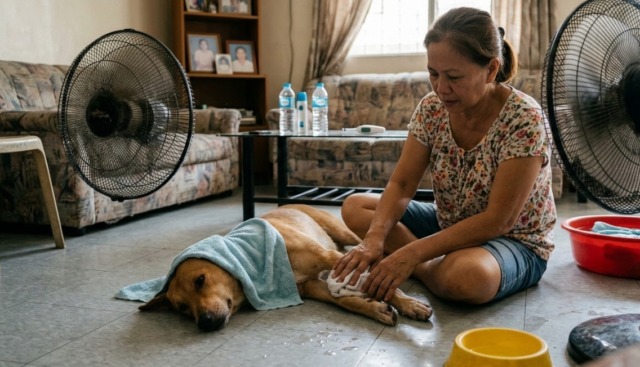
Best Cooling Practices for Pets at Home
Preventing heatstroke is always better than treating it. With the right precautions, Filipino fur parents can greatly reduce the risk of overheating.
Here are some dog heat safety tips and cat heat safety tips for homes in tropical climates.
Keep Pets Indoors During Peak Heat
Avoid leaving pets outside between 10 AM and 4 PM, when the sun is strongest.
Provide Constant Access to Fresh Water
Always make sure your pets have clean drinking water available. In hot weather, dogs and cats may drink much more than usual.
Use Cooling Mats or Cool Surfaces
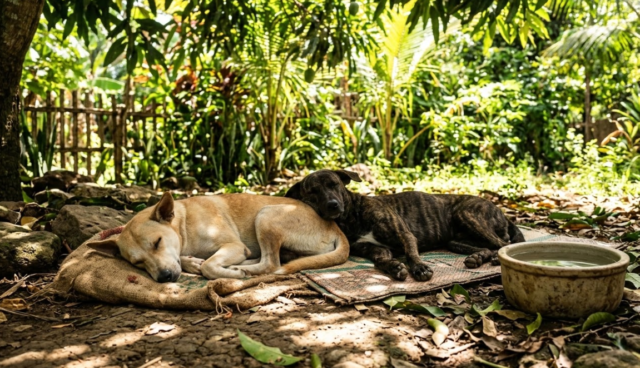
Cooling mats or tiled floors can help pets regulate their body temperature. Many dogs instinctively lie on cool tiles or shaded areas to stay comfortable.
Improve Air Circulation
Even a simple electric fan can help improve airflow inside the house. Good ventilation is especially important in urban homes in cities like Manila, Laguna, or Cebu, where concrete structures can trap heat.
Avoid Midday Walks
Hot pavement and asphalt can burn dogs’ paw pads. A simple rule: if the pavement is too hot for your hand, it’s too hot for your dog.
Instead, walk your dog early in the morning or after sunset.
These small steps can make a huge difference in tropical pet care and help ensure your pets stay safe during the hot season.
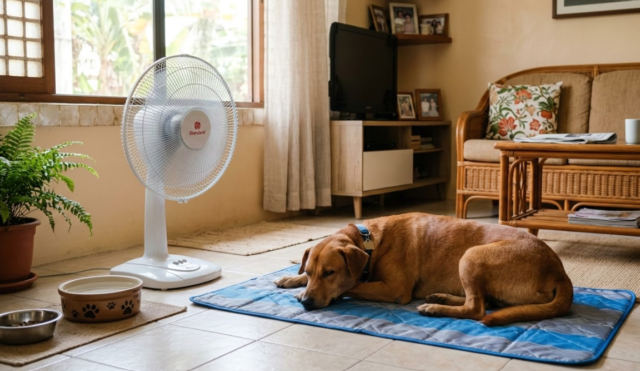
Dog and Cat Breeds Most Vulnerable to Heat
Some pets are naturally more sensitive to heat due to their physical characteristics.
Flat-Faced (Brachycephalic) Breeds
These breeds have shorter airways, making it harder for them to breathe in hot weather.
Common examples include:
-
Pug
-
Shih Tzu
-
French Bulldog
-
Persian cats
These pets are particularly vulnerable to heatstroke in dogs Philippines, especially during extreme heat.
Thick-Coated Breeds
Dogs with thick fur, such as:
-
Siberian Husky
-
Chow Chow
can struggle in tropical climates if they are not properly cared for.
Other High-Risk Pets
Some pets are also more vulnerable due to health or age factors:
-
Elderly pets
-
Overweight dogs and cats
-
Very young puppies or kittens
These animals require extra attention during hot weather to prevent heat-related illnesses.
Understanding your pet’s breed and health condition is a key part of responsible pet summer safety Philippines.
Veterinary Treatment and Potential Costs
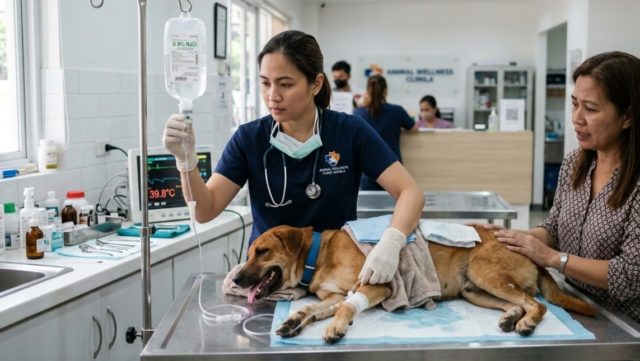
When a pet suffering from severe heatstroke is brought to a veterinary clinic, immediate treatment is required.
Common treatments may include:
-
IV fluids to stabilize hydration
-
Oxygen therapy to assist breathing
-
Cooling treatments to lower body temperature
-
Blood tests to check organ damage
-
Hospital monitoring for severe cases
Some pets may need overnight hospitalization, especially if the heatstroke caused complications.
Estimated Veterinary Costs in the Philippines
Veterinary treatment costs can vary depending on the clinic and location, but typical ranges include:
-
Emergency consultation: ₱500 – ₱1,000
-
Blood tests: ₱1,500 – ₱4,000
-
Hospital confinement: ₱3,000 – ₱10,000+
For many pet owners, these unexpected expenses can be stressful. This is why some fur parents explore pet insurance Philippines options to help manage emergency veterinary costs.
At Pinoy Pet Plan, we encourage pet owners to focus on prevention, responsible care, and financial preparation so that pets receive the medical attention they need when emergencies happen.
Conclusion
The Philippine summer can be dangerous for pets, but with proper awareness and preparation, heatstroke can often be prevented.
Remember these key points:
-
Heatstroke can happen quickly and unexpectedly
-
Dogs and cats are more vulnerable to extreme heat
-
Prevention is the best way to keep pets safe
By following these dog heat safety tips, providing a cool environment, and watching for warning signs, Filipino fur parents can greatly reduce the risk of pet heatstroke Philippines cases during summer.
Your pets bring companionship, loyalty, and joy to your home. By practicing responsible tropical pet care, you can ensure your alaga stays healthy, comfortable, and safe—even during the hottest days of the year.
